
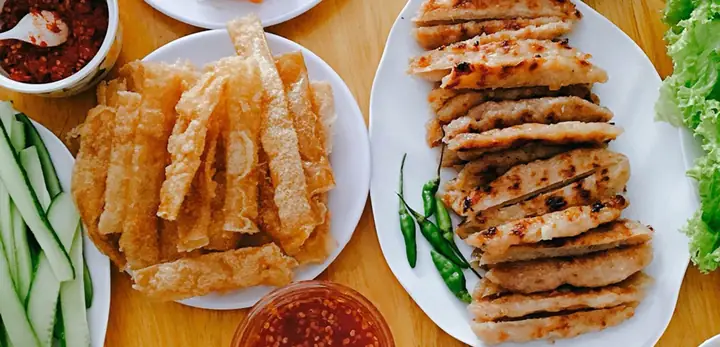
Nha Trang, a coastal gem nestled along Vietnam’s central coast, is celebrated not only for its pristine beaches and ancient temples but also for its vibrant culinary scene. Among the many dishes that define this region’s gastronomy, nem nướng Nha Trang dì ba stands as a beloved emblem of local tradition. This grilled pork dish, with its smoky aroma and robust flavors, is more than just a meal—it is a window into the cultural heritage and artisan craftsmanship of Nha Trang. Whether you’re strolling through bustling night markets or savoring a casual street-side feast, the allure of nem nướng dì ba lies in its ability to unite simplicity with depth, tradition with innovation.
Có thể bạn quan tâm: Mùa Hoa Cải Vàng Đà Lạt: Khi Thousands Valley Lộ Diện Dưới Màu Vàng Rực Rỡ Của Thiên Nhiên
The Origins of Nem Nướng Dì Ba
The roots of nem nướng trace back centuries, influenced by both indigenous Vietnamese cooking techniques and foreign culinary traditions introduced during trade and colonial periods. The term “nướng” refers to the method of grilling over an open flame, a technique that has been perfected in Nha Trang. However, the “dì ba” variant is uniquely tied to the city’s history. Local lore attributes its creation to a resourceful vendor named Bà Ba, who, during the mid-20th century, began experimenting with locally available ingredients to craft a grilled pork recipe that would captivate the community. Her innovation involved blending traditional Vietnamese spices with the region’s abundant seafood and tropical herbs, resulting in a dish that reflects Nha Trang’s coastal identity.
Over time, “dì ba” evolved beyond a single recipe, becoming a symbol of Nha Trang’s adaptability and creativity. Today, the dish is a testament to the city’s ability to preserve tradition while embracing change, with each family or vendor adding their own twist to the marinade or grilling technique.
Có thể bạn quan tâm: Châu Phi: Đại Lục Của Sự Đa Dạng, Hoang Dã Và Văn Hóa Rực Rỡ – Hành Trình Khám Phá Những Điều Đặc Biệt Nhất
Ingredients and Preparation: The Art of Crafting Nem Nướng Dì Ba
At its core, nem nướng dì ba is a harmonious balance of textures and flavors. The primary ingredient is ground pork, typically sourced from the shoulder or belly for its ideal fat-to-meat ratio. The pork is marinated in a complex mixture of spices and herbs, which may include garlic, lemongrass, turmeric, black pepper, and fish sauce. What sets the Nha Trang version apart is the inclusion of shrimp paste (mắm ruốc), a fermented condiment that adds a distinctive umami depth. Some recipes incorporate coconut milk to tenderize the meat and infuse a subtle sweetness, while others rely on the natural juices of the pork for moisture.
The marinating process is crucial, often requiring several hours or overnight to allow the flavors to penetrate deeply. The mixture is then shaped into small, cylindrical patties or pressed into molds, a technique that ensures even cooking and a charred exterior. The grilling process itself is an art form. Vendors in Nha Trang traditionally use bamboo skewers or cast-iron grills, cooking the pork over charcoal to achieve a smoky, caramelized crust. The result is a dish that is both tender and slightly crispy, with a fragrance that lingers in the air.
Có thể bạn quan tâm: Khám Phá Hương Vị Nam Bộ Chuẩn Chỉ Tại “món Ngon Hậu Giang Quận 6“: Hành Trình Ăn Uống Đậm Đà Văn Hóa Châu Đốc – Long Xuyên Giữa Sài Gòn
Serving Traditions and Cultural Significance
Nem nướng dì ba is rarely enjoyed in isolation. In Nha Trang, it is typically served as part of a balanced meal that includes steamed rice or vermicelli noodles, fresh herbs like mint and cilantro, pickled vegetables (đồ chua), and a dipping sauce made from fish sauce, lime juice, sugar, and chili. This combination reflects the Vietnamese philosophy of balancing contrasting flavors—sweet, salty, sour, and spicy—while emphasizing freshness and seasonality.
The communal aspect of eating nem nướng is deeply embedded in Nha Trang’s culture. Families and friends gather around plastic tables in outdoor eateries, sharing plates and stories, creating an atmosphere of warmth and connection. For locals, the dish is also tied to celebrations and rituals. During Tet (Lunar New Year), vendors often prepare special batches of nem nướng to honor ancestors and welcome prosperity, while festivals like the Nha Trang Sea Festival showcase the dish as a centerpiece of regional pride.
The Evolution of Nem Nướng Dì Ba in Modern Times
As Nha Trang has grown into a popular tourist destination, nem nướng dì ba has adapted to meet the demands of a global palate. While traditional recipes remain cherished, some vendors have introduced fusion variations, such as incorporating lemongrass-marinated beef or adding local ingredients like starfruit or dragon fruit to the dipping sauce. These innovations reflect the city’s dynamic spirit and its openness to cross-cultural exchange.
Có thể bạn quan tâm: Mũi Kê Gà Hàm Thuận: Di Sản Văn Hóa Độc Đáo Và Hương Vị Đặc Sản Của Bình Thuận
However, the heart of the dish remains unchanged. Authentic nem nướng dì ba is still crafted with care, using time-honored methods passed down through generations. Many vendors in Nha Trang take pride in sourcing ingredients from local markets, ensuring that every bite captures the essence of the region. For travelers, seeking out family-run stalls or roadside grills is a way to experience the dish in its purest form, far from the commercialized versions found in tourist-heavy areas.
Where to Find the Best Nem Nướng Dì Ba in Nha Trang
For those eager to taste nem nướng dì ba, Nha Trang offers a plethora of options. The Nha Trang Night Market, located near the city center, is a hub for food enthusiasts, where vendors grill pork patties fresh to order, their sizzling sounds and tantalizing aromas drawing crowds. Another beloved spot is Chợ Đầm, a local market known for its authentic street food, including some of the city’s most revered nem nướng stalls.
Beyond these well-known venues, hidden gems can be found in residential neighborhoods, where family-run grills operate out of modest storefronts. These places often lack flashy signage but are celebrated for their unwavering commitment to quality. Locals recommend asking residents for directions, as the best versions are often discovered through word-of-mouth.
Pairing and Culinary Complements
The versatility of nem nướng dì ba extends to its pairing potential. It pairs beautifully with a variety of beverages, from the effervescent Nha Trang beer to traditional herbal teas like trà atiso (artichoke tea), which helps balance the richness of the pork. For a more indulgent experience, some diners enjoy it alongside bún chả (grilled pork with noodles) or bánh mì, creating a fusion of flavors that highlight the dish’s adaptability.
Additionally, the dish’s robust profile makes it an excellent companion to lighter fare. Fresh spring rolls (gỏi cuốn) or a simple salad of green papaya (gỏi đu đủ) can provide a refreshing contrast, ensuring a well-rounded meal.
The Legacy of Nem Nướng Dì Ba
Beyond its taste, nem nướng dì ba represents the resilience and creativity of Nha Trang’s people. It is a dish born from necessity, refined through passion, and shared with generosity. As the city continues to evolve, the legacy of this humble grilled pork remains a cornerstone of its identity, offering both locals and visitors a taste of what makes Nha Trang special.
In a world where culinary traditions often face the threat of homogenization, dishes like nem nướng dì ba serve as vital reminders of the importance of preserving cultural heritage. They tell stories of innovation, community, and the enduring power of food to bring people together. Whether enjoyed at a bustling market stall or a quiet family dinner, the essence of nem nướng dì ba transcends the plate, leaving an indelible mark on those who experience it.
As you plan your journey to Nha Trang, be sure to seek out this iconic dish. Let its smoky flavors and rich history transport you to the heart of coastal Vietnam, where every bite is a celebration of tradition, resilience, and the joy of sharing a meal. In the end, nem nướng dì ba is not just a dish—it is a love letter to the city and its people, written in the universal language of food.