
The Citadel of Quảng Trị, known in Vietnamese as Thành cổ Quảng Trị, is a remarkable historical site located in Quảng Trị Province, Vietnam. Its English name, often translated as the Citadel of Quảng Trị or sometimes referred to as the Citadel of Phú Bài, reflects its significance as a symbol of Vietnam’s resilience, architectural ingenuity, and cultural heritage. This ancient fortress, nestled along the banks of the Perfume River (Sông Hương), stands as a testament to the strategic and defensive prowess of the Nguyễn Dynasty, which ruled Vietnam from 1802 to 1945. For those curious about the English translation of thành cổ Quảng Trị, understanding its historical context and cultural importance is essential to appreciating its role in Vietnamese history.
Có thể bạn quan tâm: Rio De Janeiro: Trái Tim Đập Mạnh Của Brazil – Hành Trình Khám Phá Thành Phố Kỳ Vĩ Giữa Biển Và Núi
Historical Background: Origins and Construction
The Citadel of Quảng Trị was constructed in the early 19th century during the reign of Emperor Minh Mạng, the second emperor of the Nguyễn Dynasty. Built between 1828 and 1831, the citadel served as a critical defensive structure to protect the imperial capital of Huế from invasions and internal threats. Located approximately 60 kilometers southeast of Huế, the citadel was strategically positioned near the Perfume River, a vital waterway that connected the region to the sea. This location allowed for both military defense and control over trade routes, making it a key node in the Nguyễn Dynasty’s administrative and military network.
The construction of the citadel was part of a broader effort by the Nguyễn Dynasty to fortify Vietnam’s borders and consolidate power. Inspired by Chinese architectural principles, the citadel was designed with thick stone walls, watchtowers, and a series of gates that could be sealed to protect against enemy forces. The site was chosen for its natural defenses, as the surrounding terrain provided a buffer against potential attacks. Over time, the citadel became a center of governance, housing military commanders and serving as a refuge during times of conflict.
Có thể bạn quan tâm: Đường Sắt Hà Nội – Hải Phòng: Cánh Cửa Giao Thông Chiến Lược Kết Nối Thủ Đô Và Cảng Biển Lớn Nhất Miền Bắc
Architectural Features: A Blend of Tradition and Strategy
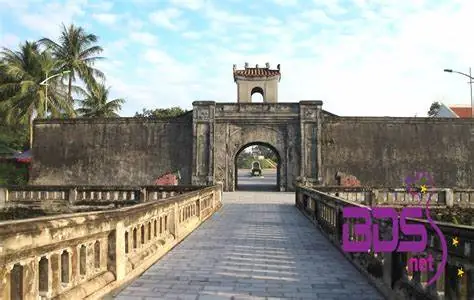
The Citadel of Quảng Trị is a masterpiece of Vietnamese military architecture, showcasing a blend of traditional design and strategic functionality. The fortress is surrounded by massive stone walls that stretch for over 2 kilometers, with a height of up to 10 meters and a thickness of 3 meters. These walls were constructed using locally quarried stone and laterite, materials chosen for their durability and resistance to weathering. The citadel’s layout follows a rectangular plan, with four main gates—north, south, east, and west—each adorned with intricate carvings and defensive features.
At the heart of the citadel lies the Flag Tower of Saigon (Lá cờ Sài Gòn), a towering structure that served as a watchtower and symbol of authority. The tower, which stands 30 meters tall, was built in the 1860s and offers panoramic views of the surrounding landscape. Inside the citadel, visitors can find remnants of residential quarters, storage facilities, and religious shrines, reflecting the daily life of soldiers and officials who once called the fortress home.
The citadel’s design also incorporates elements of feng shui, a traditional Chinese philosophy that emphasizes harmony with the natural environment. The placement of buildings and the orientation of gates were carefully planned to align with celestial patterns and topographical features, ensuring both spiritual and practical benefits. This integration of cultural beliefs with military strategy highlights the Nguyễn Dynasty’s deep understanding of both warfare and governance.
Có thể bạn quan tâm: Hành Trình Khám Phá “thiên Đường Ốc” Sài Gòn: Top Những Quán Ốc Nổi Tiếng, Ngon “chân Áy” Bạn Phải Ghé Một Lần Trong Đời
Historical Significance: A Symbol of Resistance and Identity
Throughout its history, the Citadel of Quảng Trị has played a pivotal role in shaping Vietnam’s national identity and resistance against foreign invaders. During the 19th century, the fortress was a key stronghold during conflicts with French colonial forces. In 1868, French troops launched a siege on the citadel as part of their campaign to conquer Vietnam, but the Nguyễn Dynasty’s defenders held out for months, demonstrating the fortress’s formidable defenses. Although the French eventually captured the citadel, its resistance became a symbol of Vietnamese patriotism and determination.
The citadel’s most notable moment came during the Vietnam War, particularly during the Battle of Quảng Trị in 1968 as part of the Tet Offensive. North Vietnamese forces launched a surprise attack on the citadel, which was then occupied by South Vietnamese and American troops. The battle, which lasted for several weeks, resulted in heavy casualties and marked a turning point in public opinion about the war. The ruins of the citadel, scarred by artillery fire and bombings, remain a poignant reminder of the conflict’s devastating impact on the region.
Có thể bạn quan tâm: Rin Rin Park Tp.hcm: Thiên Đường Giải Trí Trong Đô Thị Cho Toàn Gia Đình
In addition to its military significance, the Citadel of Quảng Trị has also been a site of cultural and political importance. It has served as a venue for ceremonies, festivals, and public gatherings, reflecting its role as a communal space for local residents. The citadel’s history is intertwined with the stories of countless individuals who lived, fought, and died within its walls, making it a repository of collective memory for the Vietnamese people.
Current Status: Preservation and Tourism
Today, the Citadel of Quảng Trị is recognized as a National Historic Landmark and is managed by the Vietnam Department of Culture, Sports, and Tourism. Efforts to preserve the site have focused on restoring damaged structures, documenting historical artifacts, and promoting educational programs. Archaeological excavations have uncovered valuable insights into the daily lives of the citadel’s inhabitants, including tools, weapons, and ceramics dating back to the 19th century.
Tourists visiting the citadel can explore its ancient walls, climb the Flag Tower, and learn about its history through guided tours and interactive exhibits. The site also hosts cultural events and festivals, such as traditional music performances and historical reenactments, which attract both domestic and international visitors. The citadel’s proximity to other historical attractions, including the ancient capital of Huế and the Demilitarized Zone (DMZ), makes it a popular stop on cultural tourism routes.
However, the citadel faces ongoing challenges, including the need for sustainable funding for conservation, the threat of climate change to its stone structures, and the balance between tourism development and heritage preservation. Local authorities and international organizations continue to collaborate on initiatives to protect the site for future generations, ensuring that its historical and cultural legacy endures.
Conclusion: The Enduring Legacy of the Citadel of Quảng Trị
The Citadel of Quảng Trị, or Thành cổ Quảng Trị in Vietnamese, is more than just an ancient fortress; it is a symbol of Vietnam’s rich history, cultural identity, and unwavering spirit. Its English name, whether referred to as the Citadel of Quảng Trị or the Citadel of Phú Bài, reflects its enduring significance in both national and international contexts. From its origins as a defensive stronghold of the Nguyễn Dynasty to its role as a battleground during the Vietnam War, the citadel has witnessed centuries of change and conflict.
Today, as a protected historical site and a destination for cultural tourism, the Citadel of Quảng Trị continues to educate visitors about Vietnam’s past while inspiring efforts to preserve its heritage. Its walls, towers, and gates stand as silent witnesses to the triumphs and struggles of those who came before, offering a window into a bygone era. For anyone seeking to understand the complexities of Vietnamese history and the resilience of its people, a visit to the Citadel of Quảng Trị is an unforgettable journey through time.
In conclusion, the English translation of thành cổ Quảng Trị—the Citadel of Quảng Trị—captures the essence of a site that bridges the past and the present, serving as a reminder of the enduring power of history to shape and unite communities across generations.